JUNEAU, Alaska—The Alaska Department of Labor and Workforce Development is revitalizing a job training initiative to place Alaskans in credentialed positions in the U.S.-flag commercial maritime fleet. Alaskans who pass industry and Coast Guard required physicals, drug screenings, and background checks will be eligible to enter into a 14-month apprenticeship program to train for credential as a chief cook, FOWT/fireman-oiler-watertender, or able-bodied seafarer. Program participants receive room and board as well as wages while working as an apprentice, and graduates are guaranteed placement into their first job.
“We are committed to helping Alaskans obtain the training they need for rewarding careers,” said Labor Commissioner Heidi Drygas. “This program has a proven record of success in helping Alaskans find work in the maritime industry with good wages and benefits.”
The training will be conducted through the Seafarers International Union affiliated Paul Hall Center for Maritime Training and Education in Piney Point, Maryland. The Paul Hall Center was established in 1967 and offers the most U.S. Coast Guard approved courses of any maritime school in the nation, and its apprentice program is registered with the U.S. Department of Labor. Apprentices will also have the ability to obtain college credit for successfully completing certain sanctioned courses.
Ralph Mirsky of SeaLink in Ketchikan, Alaska will coordinate the recruitment and screening of Alaskans interested in this program. For more information, please contact Mr. Mirsky at 907-254-1896 or sealink@kpunet.net, or visit www.seafarers.org/jobs/entry.asp.
Source: Alaska Department of Labor & Workforce Development

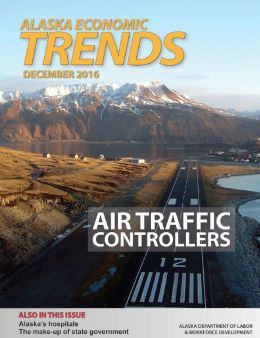 December Trends examines air traffic controllers in detail. This occupation, which requires extensive training, has only modest education requirements. It’s also one of Alaska’s highest paying occupations, expected to grow about 7 percent in the next decade. This issue also profiles employment in Alaska’s hospitals and how that industry developed in the state. Finally, an analysis of the make-up of state government shows where these workers are and which departments they work for.


 UA Workforce Development News